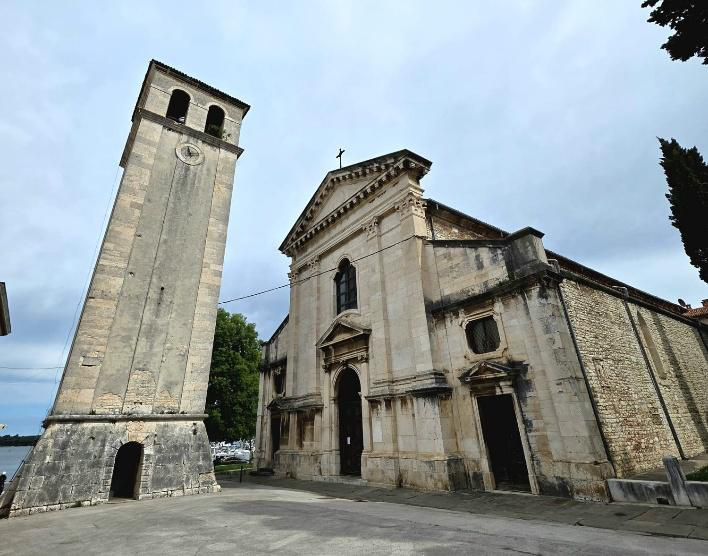
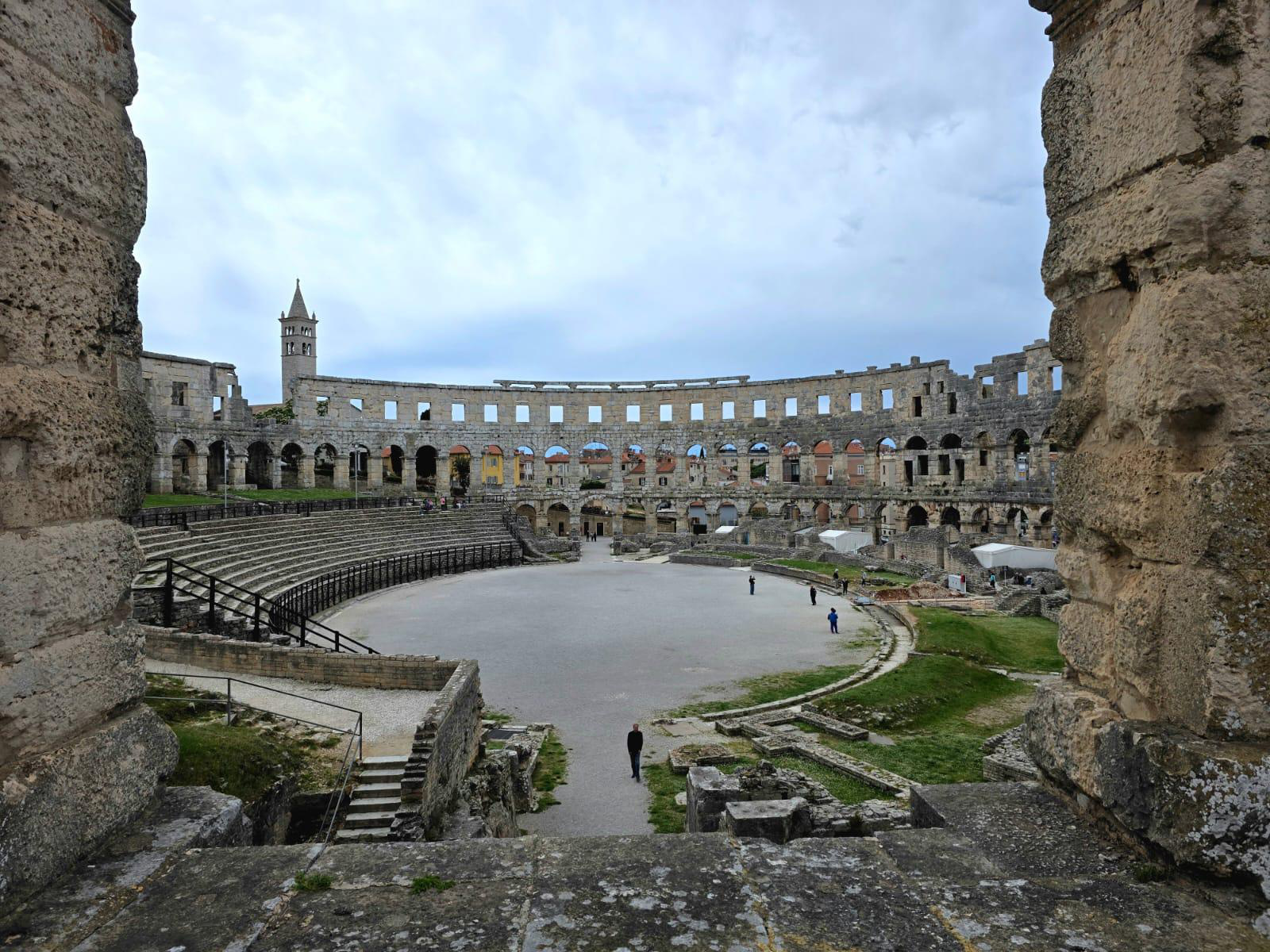
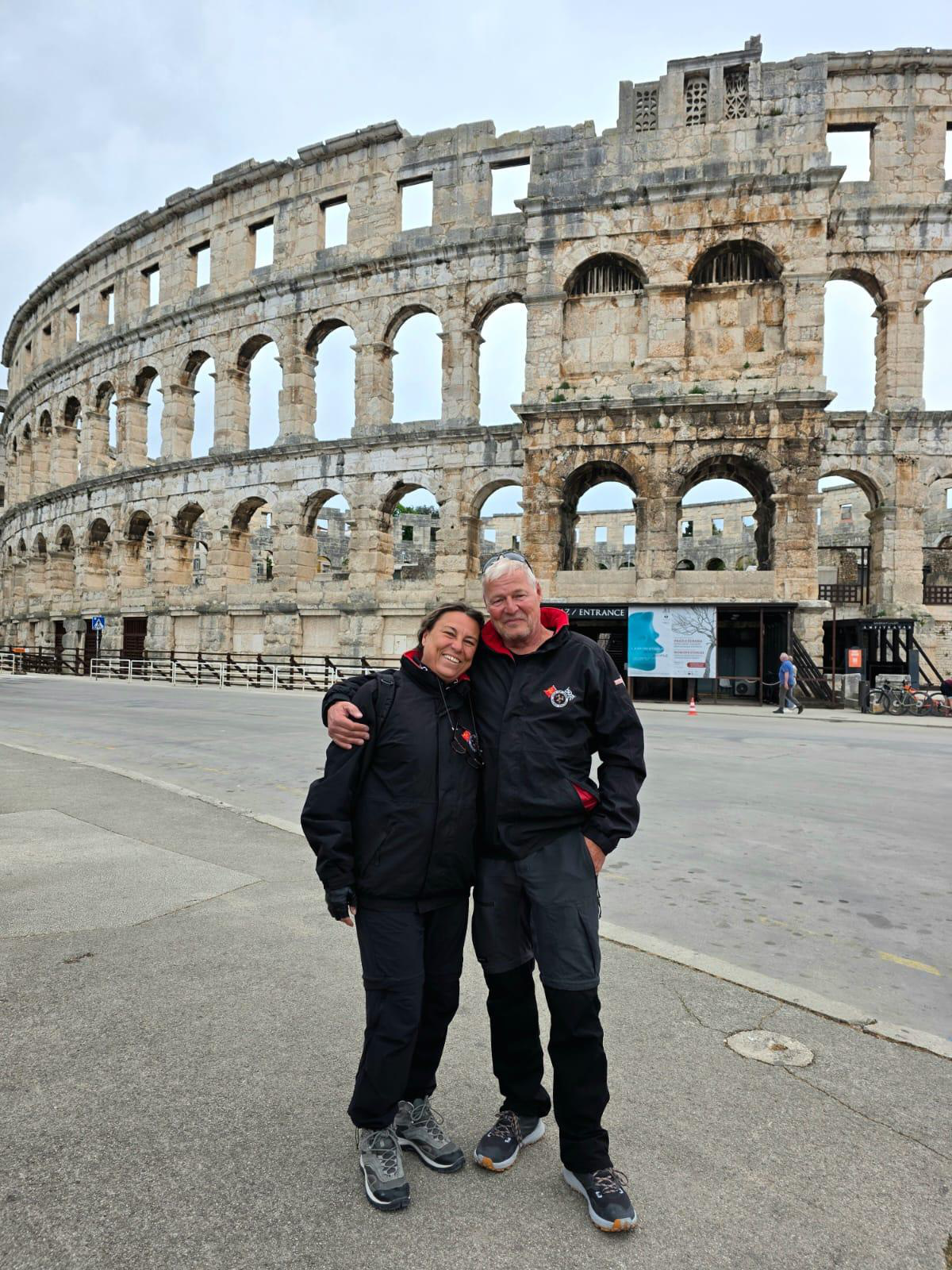
12th day Today we set out into the world early, not in a hurry, but without pause as they say. Thorqui stayed behind and Beast accompanied us on the adventure. Pula, located in the south, is the most populated city in the Istrian peninsula. It is famous for its rich Roman history, and among its most notable architectural works, we find one of the best-preserved Roman amphitheaters in the world. In addition to the Arch of the Sergii and the Temple of Augustus. The port is also a significant element, considered fundamental in the Adriatic. Upon arrival, we parked Beast well and went to explore its streets. Since we arrived so early, there wasn't much activity, which made the enjoyment even greater. The first building we encountered was the cathedral, one of the most important religious buildings in the city. It occupies the site where, since Roman times, Christians gathered in secret until they stopped being persecuted.
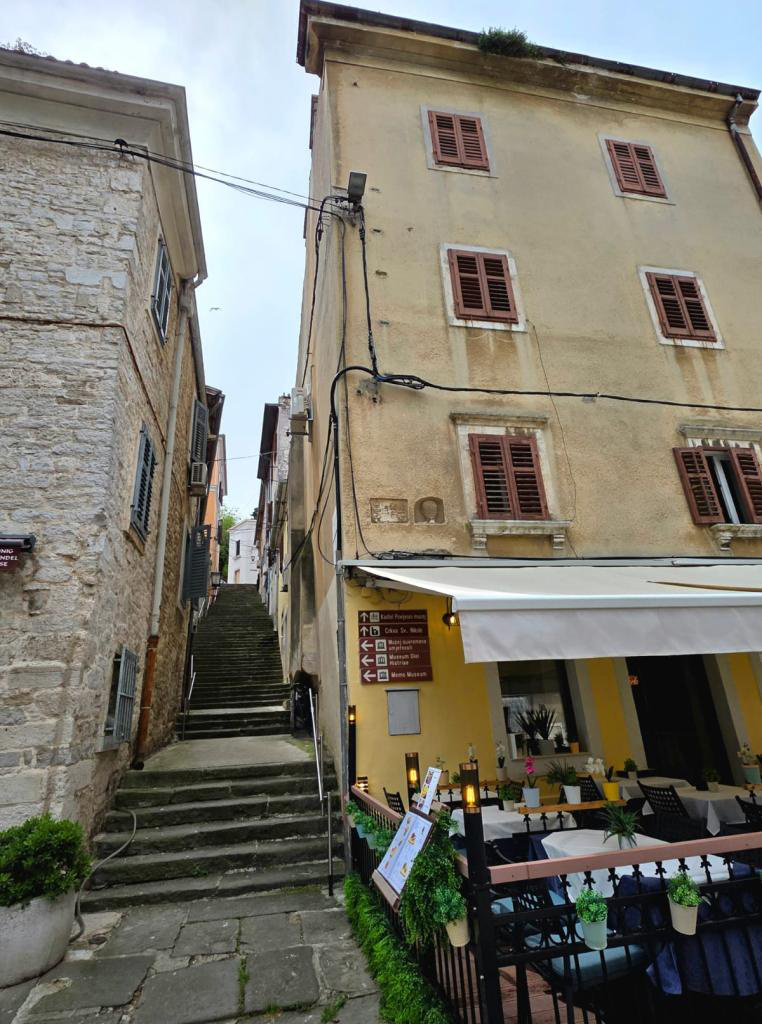
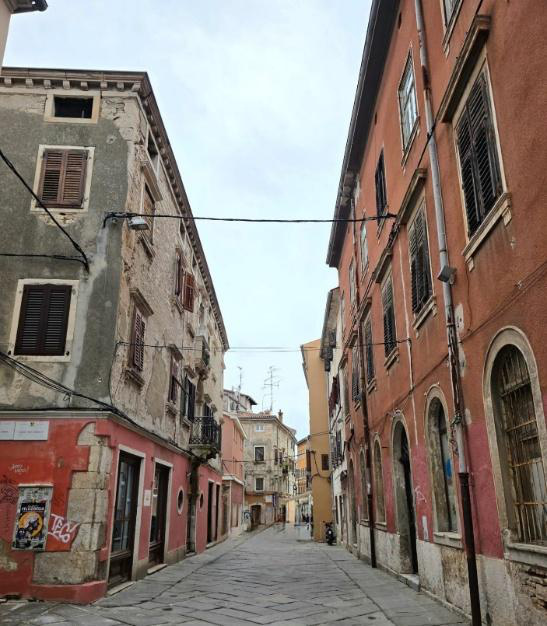
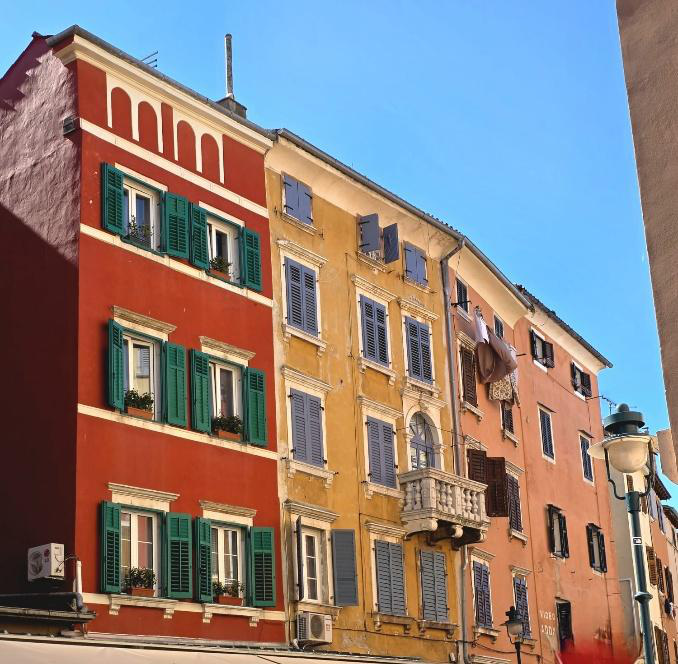
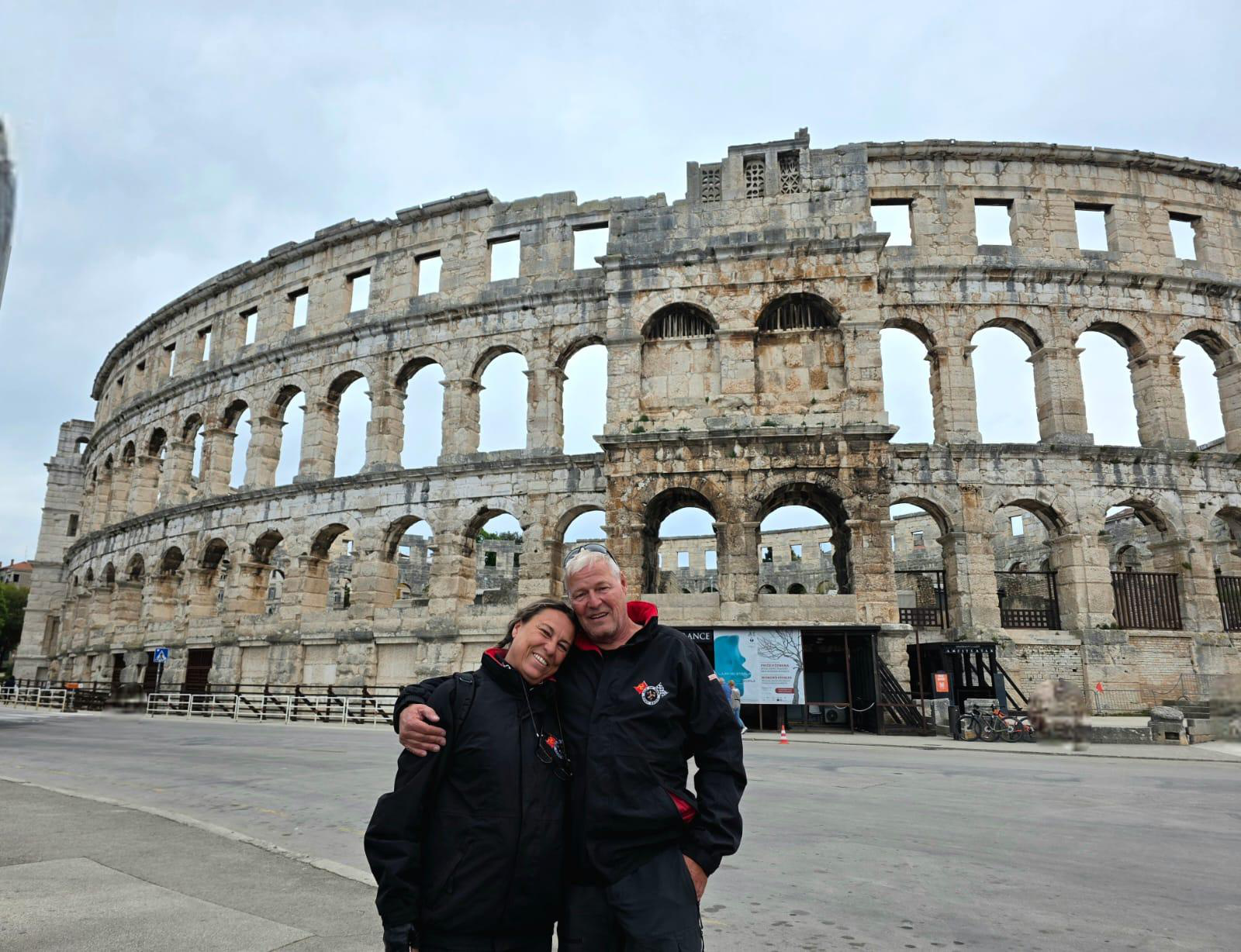
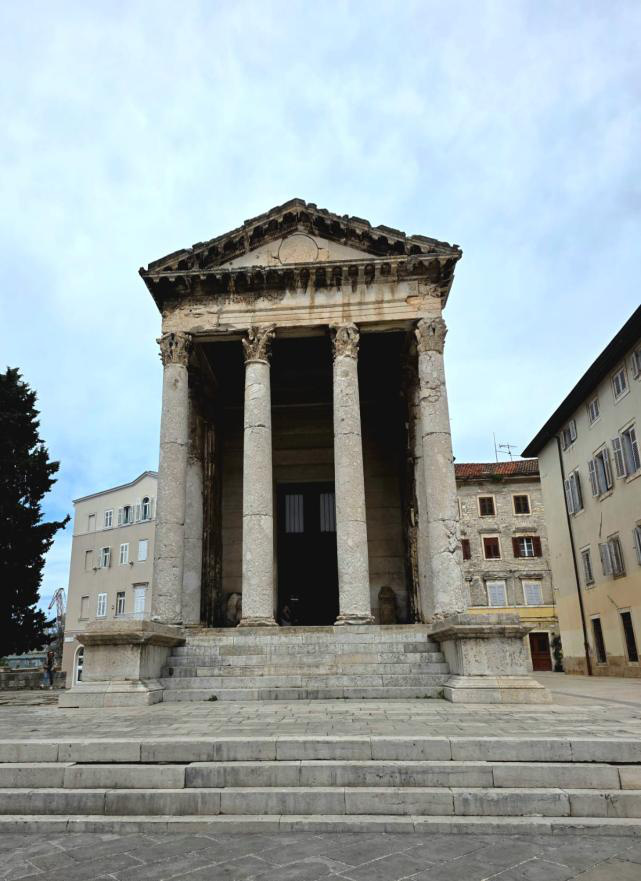
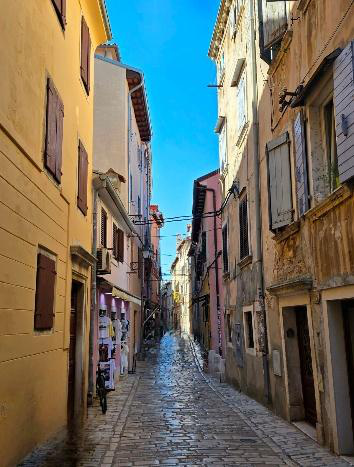
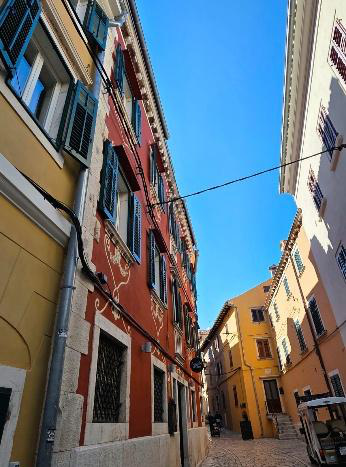
The streets of the old town are full of color, and they are home to restaurants and shops aimed at tourists strolling through the area. It is also famous for its kilometers of coastline with crystal-clear waters where water sports can be practiced. The main square still retains that role as a meeting place that was felt in ancient Rome, and if you keep walking, suddenly the streets open up, revealing "The Arena," the amphitheater of Pula. Situated on a small hill, very close to the sea, it is the sixth largest Roman amphitheater in the world and the best-preserved monument of Ancient Rome in Croatia. It is one of the best-selling postcards of the country. The Temple of Augustus, less prominent but also worth mentioning, has served over the years as a warehouse, museum, or Christian church. It was destroyed in 1944 by a bomb and rebuilt after the end of World War II.
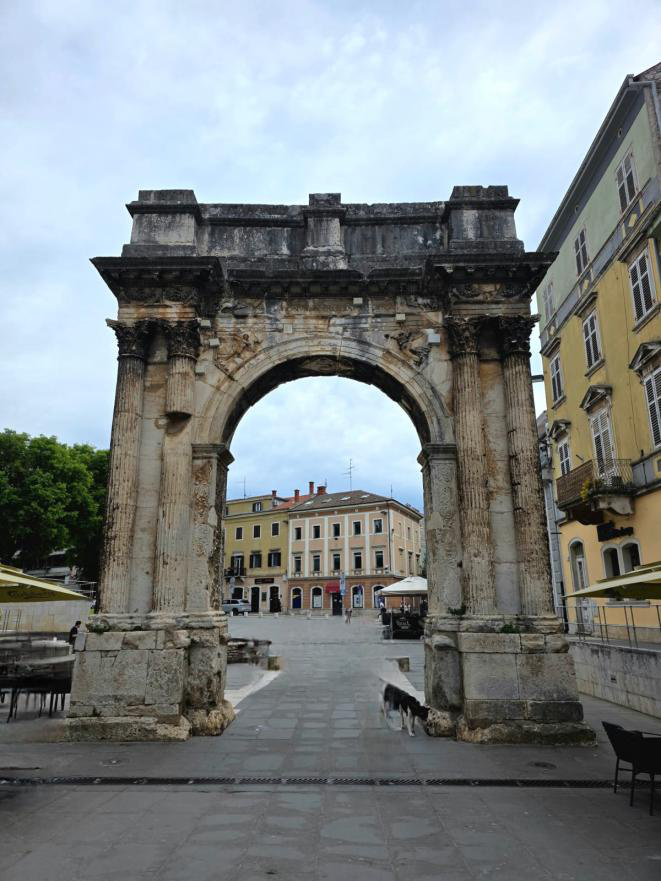
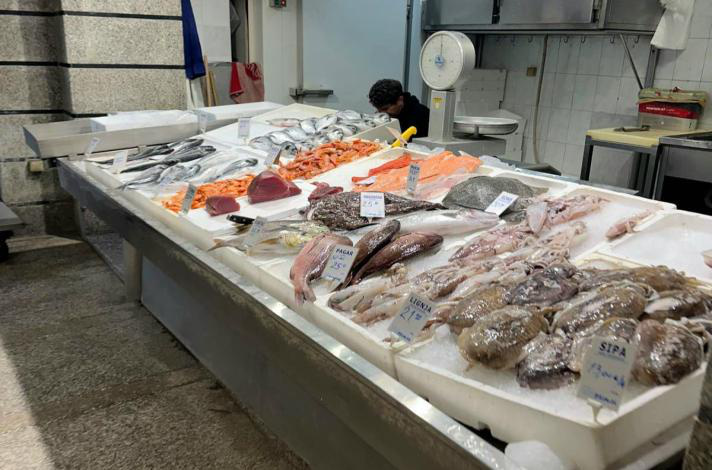
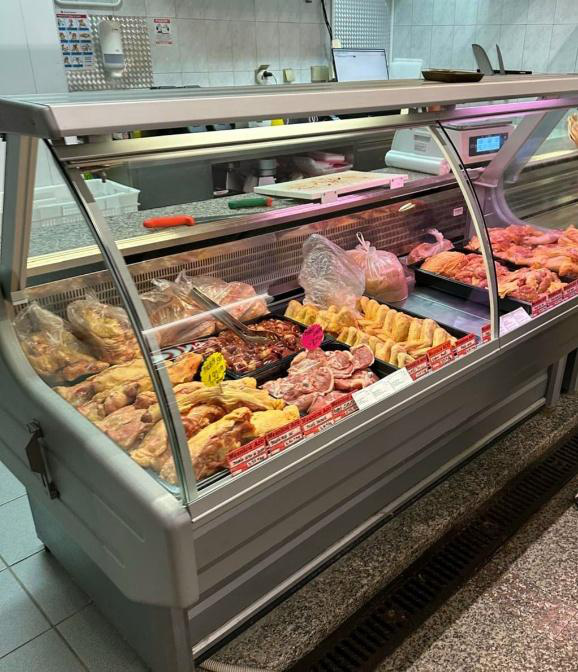
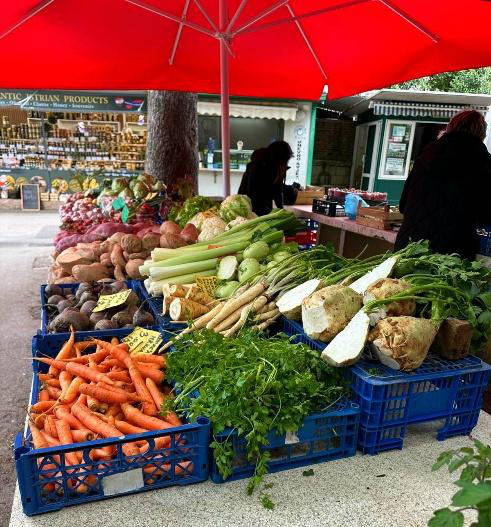
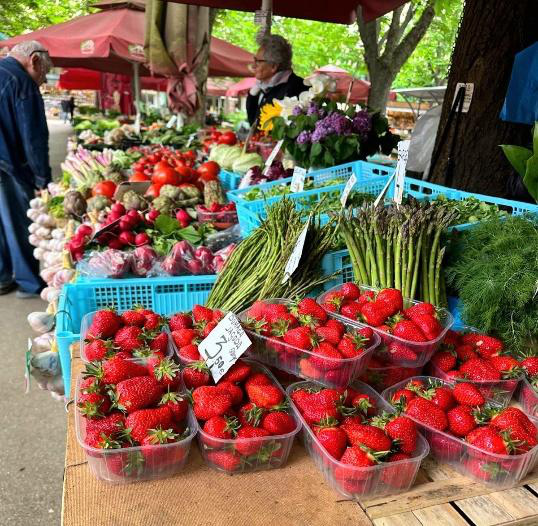
The Arch of the Sergii was the last architectural work we enjoyed today. It was erected in honor of three members of the Sergii family who held important positions in the city. It once stood against one of the city gates, the Porta Aurea. Finally, we found a market, and since we love browsing through the stalls, we bought, of course, the typical sausage of the country that resembles Spanish chistorra and some fresh vegetables for tomorrow's dinner.
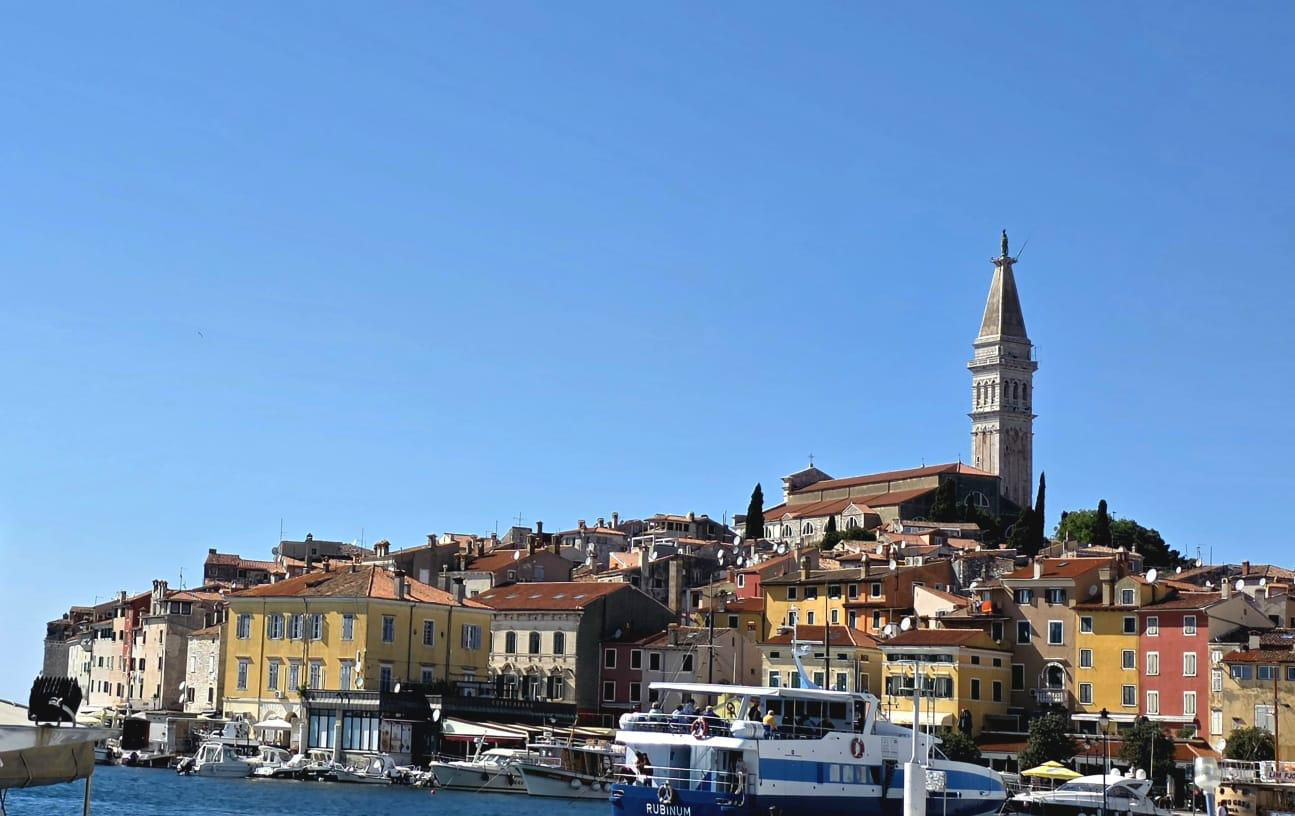
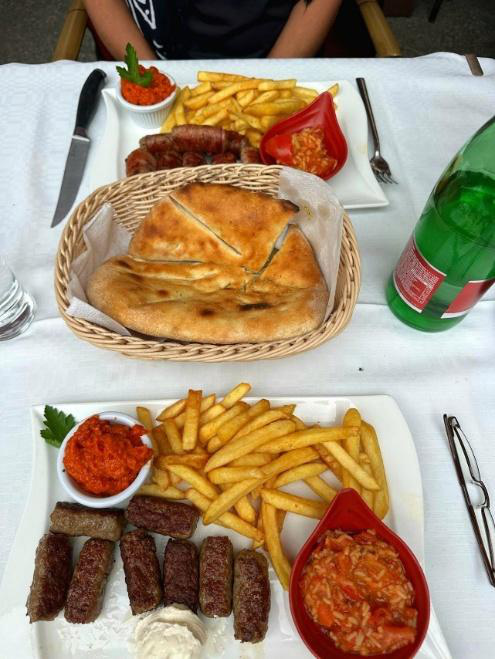
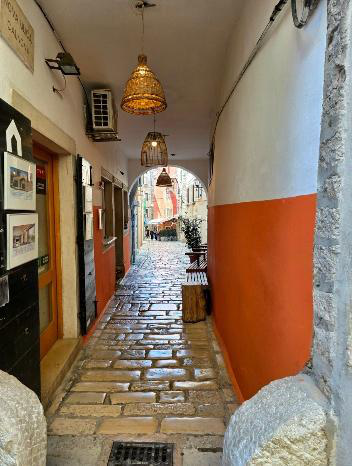
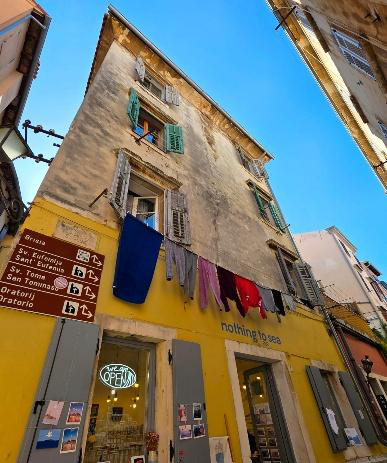
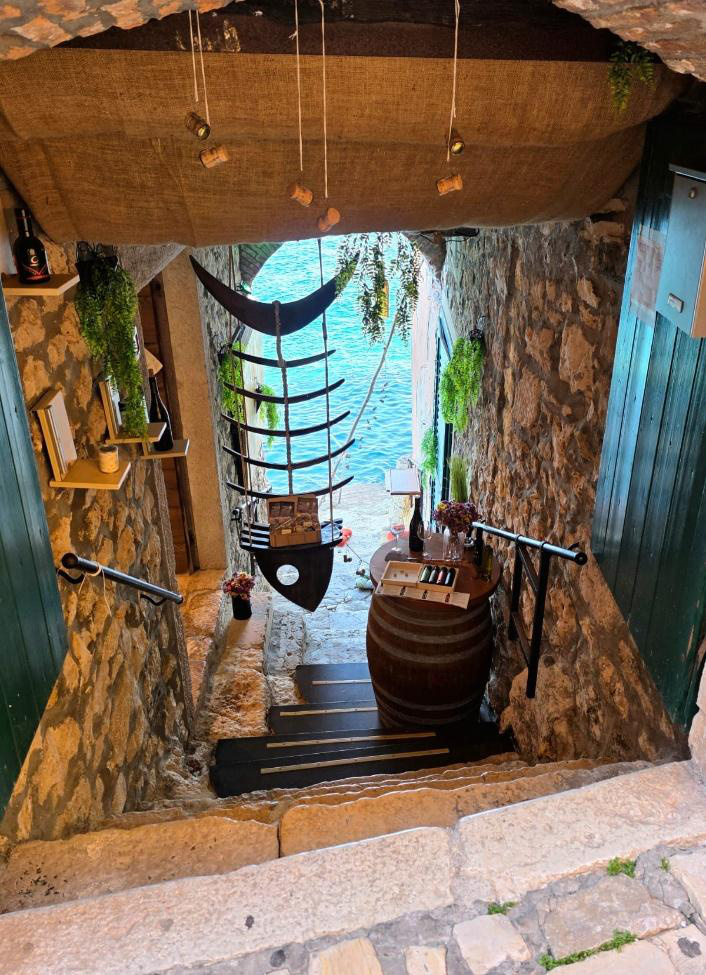
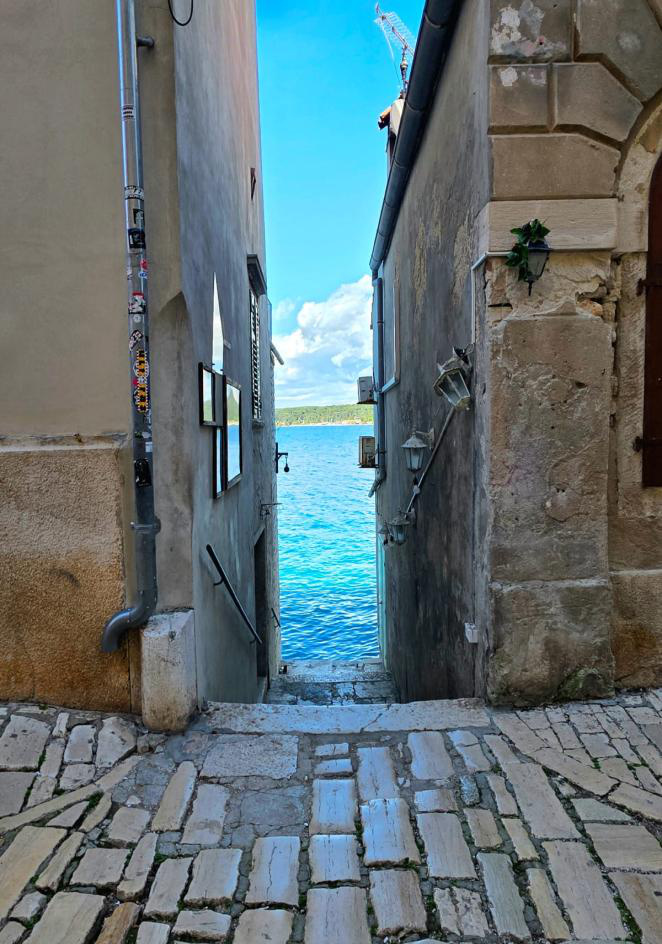
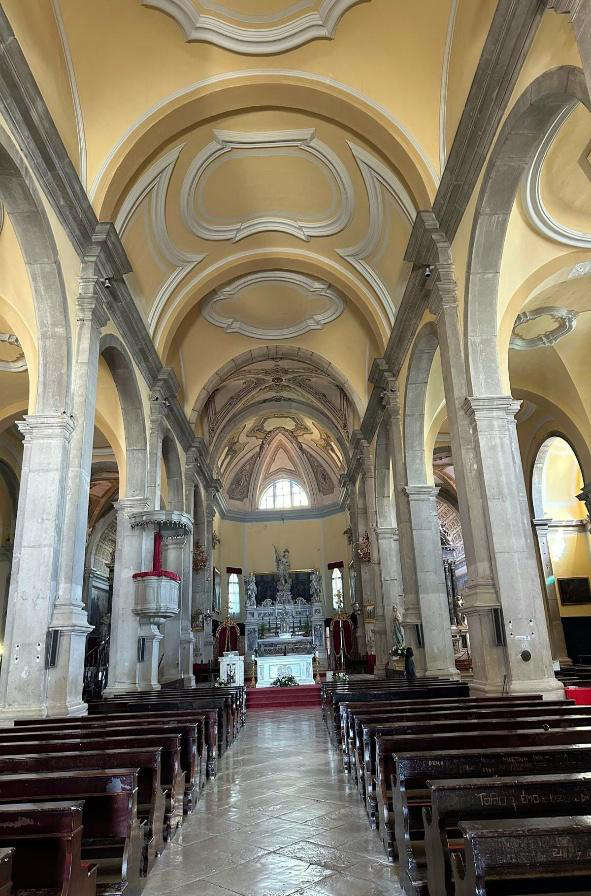
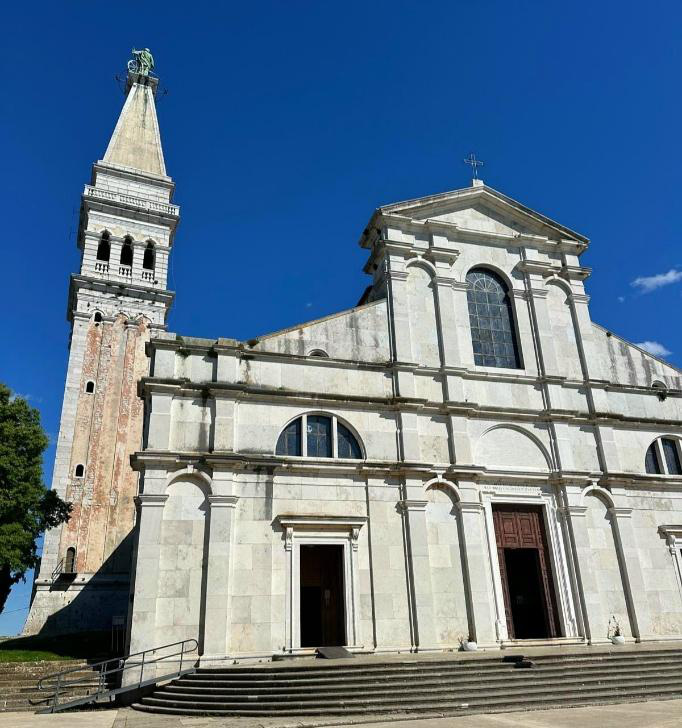
Lunchtime caught us in the area, so we stopped to eat a “cevapi,” a typical dish of the country made of minced meat (lamb or pork) shaped into small portions, grilled, and served with bread, rice, and a sauce (ajvar) made from peppers that can be spicy or not. T already knew it; for me, it was my first experience, and I don’t know why I expected the meat to be a bit more seasoned because I had read that they use a rich combination of herbs to flavor the meat. After lunch and a little nap that T took on a bench in a garden, we retraced our steps to visit the city of Rovinj. Rovinj is a fishing port whose old town is located on a promontory. It is filled with closely packed houses, some of which are barely held up by the sea. It was an island for years until the Venetians connected it to the mainland by filling in its canals. It is a small town that can be seen in an afternoon. Like all towns in the area, the center is a jumble of narrow, cobbled streets that usually converge at a church. In this case, it is that of Santa Eufemia, the patron saint of the city. Legend has it that her sarcophagus miraculously arrived on the coast in the year 800 AD after mysteriously disappearing one stormy night.
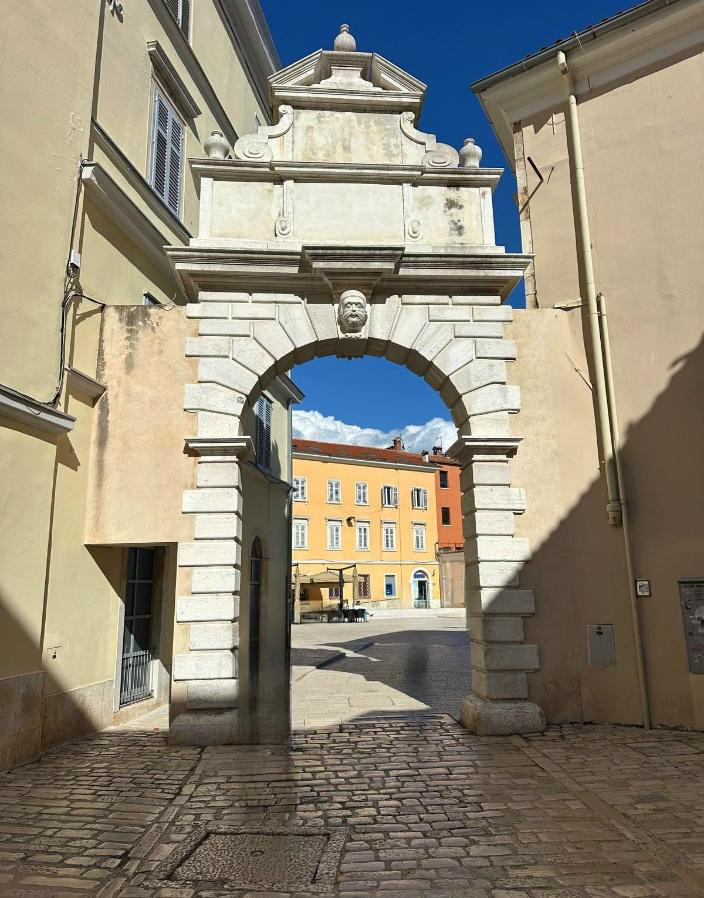
The bell tower is topped by a nearly five-meter sculpture of the Saint, placed in the spot of another that was destroyed by lightning. The figure turns with the wind like a weather vane. The church is located at the highest point of the town and is the largest building in the Istrian peninsula. Another must-see is the Arch of Balbi, a Venetian gate leading to the old town. It is located at the site of the ancient city gate.
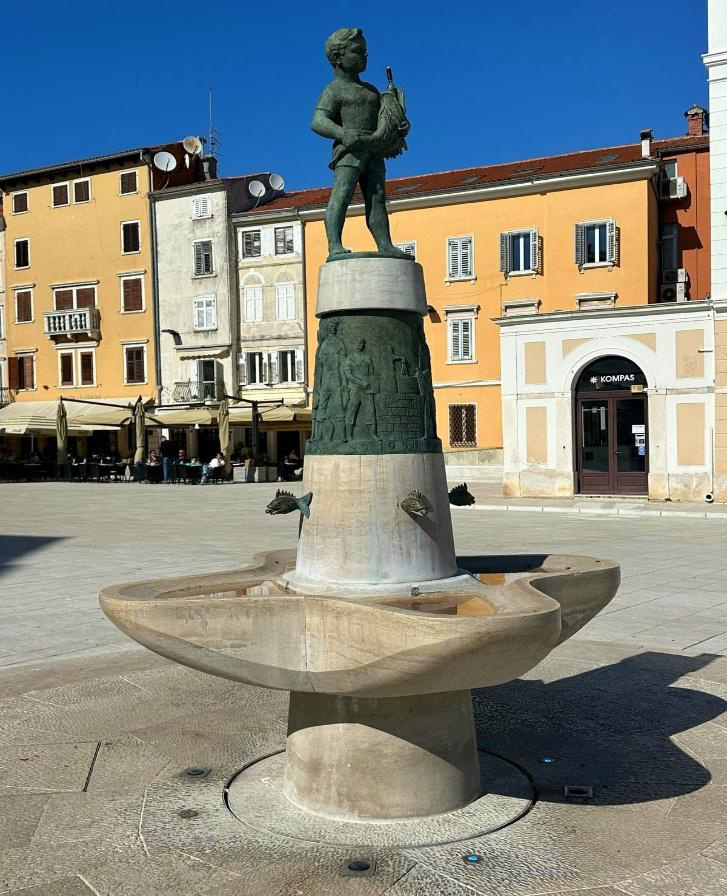
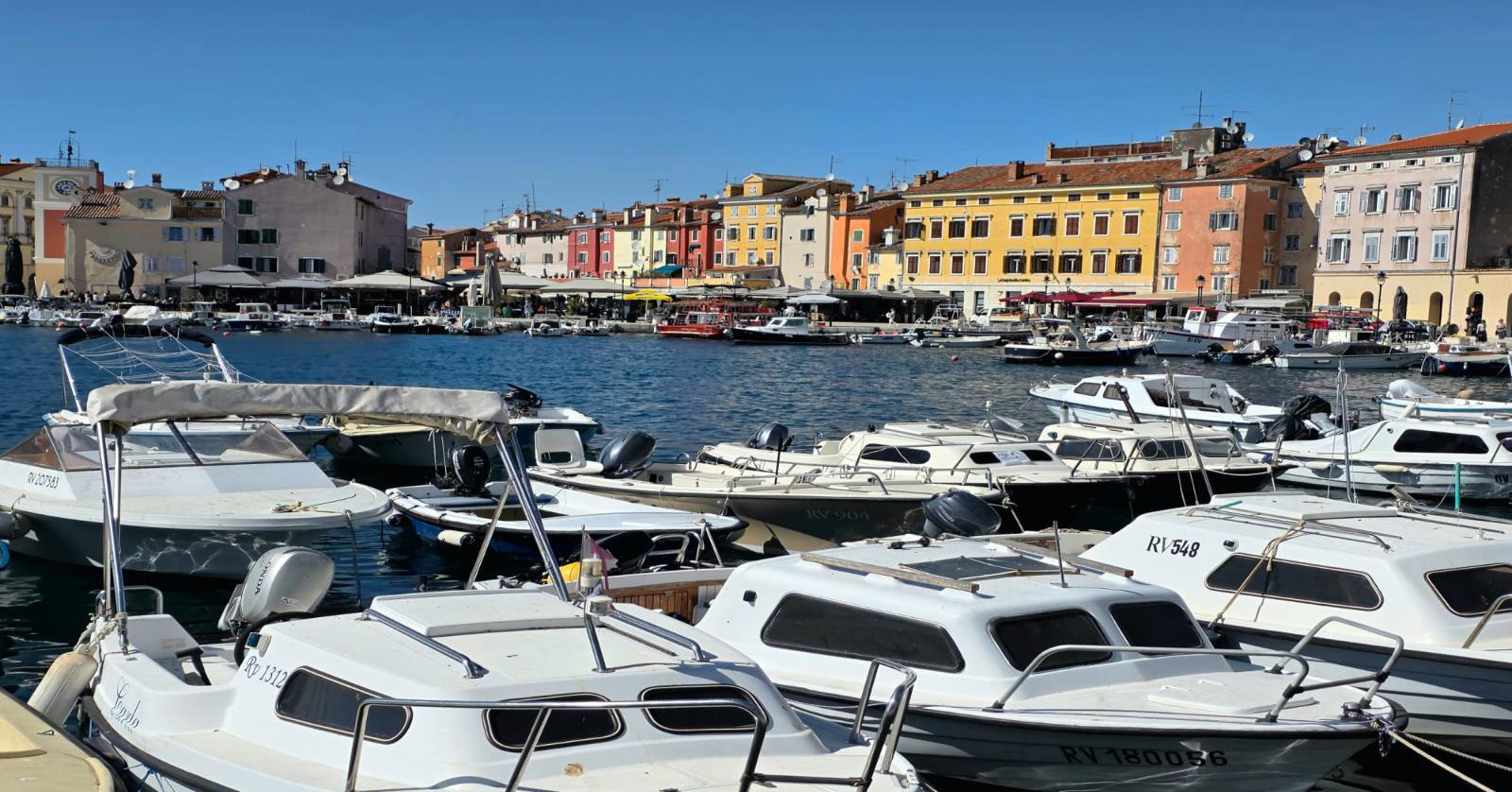
The figure of the boy with a fish is a fountain with a bronze sculpture representing a boy holding a fish and symbolizes the arrival of running water to the city from Visnjan. As an ancient fishing village, it opens up to the sea in all its breadth. Now the port is occupied by small recreational boats. After the visit, we returned home, tired but very happy. It was a very productive day, and we enjoyed the visits immensely. Good night… I’ll keep you posted 😘
Today we head straight to the village of San Giovanni to catch another ferry towards Sicily. Crossing the Strait of Messina. The last time I was in these latitudes, Mount Etna was in full eruption on a cruise heading to Greece.
This morning we set off to the principality on our motorcycle for a little visit. To be honest, we went just to buy a sticker for Beast and to add the country to our list.
Tuesday, May 5, 2026 – 26th day Camping Limnopoula (Ioannina) Ioannina has turned out to be quite a discovery. Yesterday we were really surprised to see what the city had hidden, and on the way home, I did a bit of research.
Join the conversation (0)
Share a thought, a question, or your own travel memory.
No comments yet. Be the first to write one!
Leave a comment